Lightweight Oils for Fine Hair: 7 That Won’t Flatten Your Roots
The best lightweight oils for fine hair are the ones you can barely feel once they’re in. That’s the whole test. If your roots go flat or your ends look wet an hour later, the oil was too heavy for your hair, no matter how many people online swear by it.
Here’s the part those videos skip. A fine strand has a small diameter and fewer cuticle layers than a coarse one. Oils with long, heavy fatty acid chains can’t get inside it, so they sit on the surface like a thin coat of wax and pull the root down.
Lighter oils behave differently. The ones rich in linoleic acid, or built like the waxes your own scalp makes, sink into the strand or spread in a film so thin it barely registers. Your ends get protection and your bounce survives the day.
Below are seven lightweight oils for fine hair that do exactly that, how much of each to use, and the three oils I’d keep away from fine strands entirely.
The Fine Hair Oiling Rules
- Count drops, never pumps. One to two drops is the whole dose for fine hair. A pump is three or four times that, which is how most oiling goes wrong.
- Stay three inches from your roots. Mid-lengths and ends only. Oil near the scalp mixes with your own sebum and flattens everything by lunchtime.
- Damp or dry, and they do different jobs. On damp hair, oil helps hold water in while it dries. On dry hair, it smooths flyaways and static.
- Warm it until it disappears. Rub the drops between your palms until they feel almost dry, then press through your ends. Oil applied straight from the bottle lands in one greasy patch.
Before you pick one, it helps to know how your hair takes in product. Low porosity strands repel oil and end up coated, while high porosity strands drink it in. Our Hair Porosity Finder sorts that out in two minutes, and it changes which of these oils will suit you.
The 7 Best Lightweight Oils for Fine Hair
1. Plant-Derived Squalane
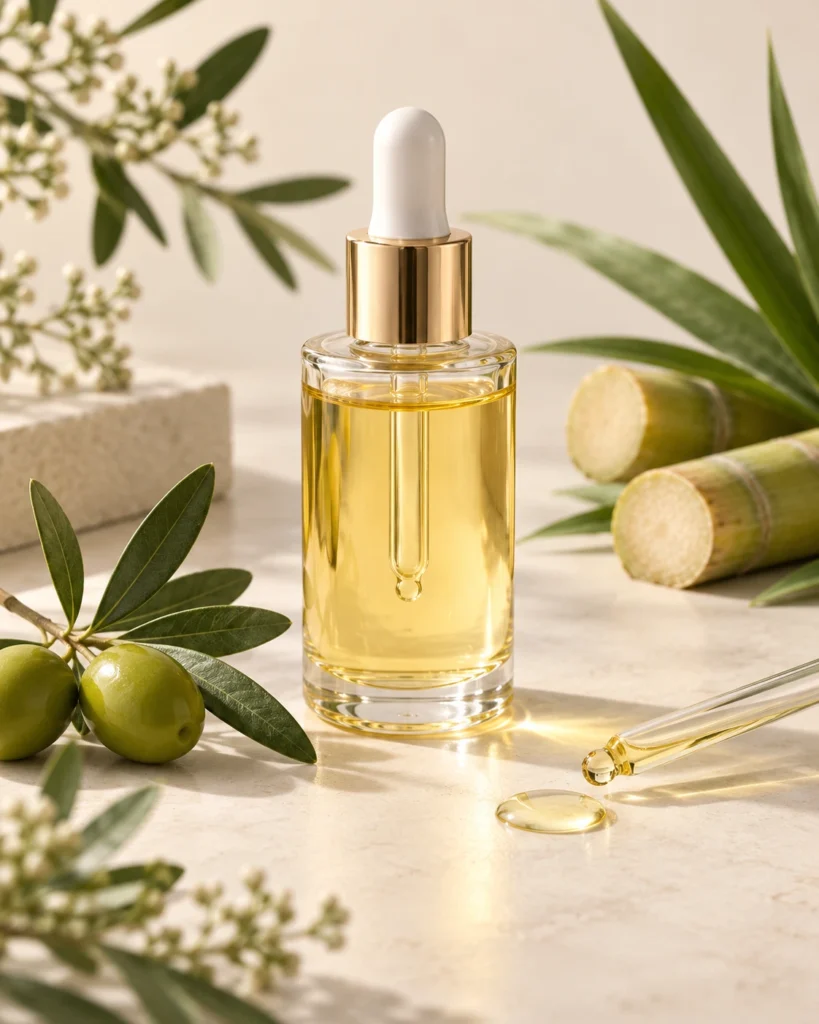
Oil 01 • The lightest of them all
If you only try one of the lightweight oils for fine hair, make it squalane. Your own skin makes a version of it, so it feels less like an oil and more like slip that vanishes.
Among all the lightweight oils for fine hair, it’s also one of the most stable, so it doesn’t go rancid quickly, and it leaves a dry finish rather than a shiny one. On very fine or flat-prone hair, nothing else comes close.
Best for: Very fine, flat-prone hair and anyone burned by oils before
Texture and weight: Extremely light with a dry-touch finish
How to use on fine hair: One drop, warmed and pressed through the last two inches
2. Golden Jojoba Oil
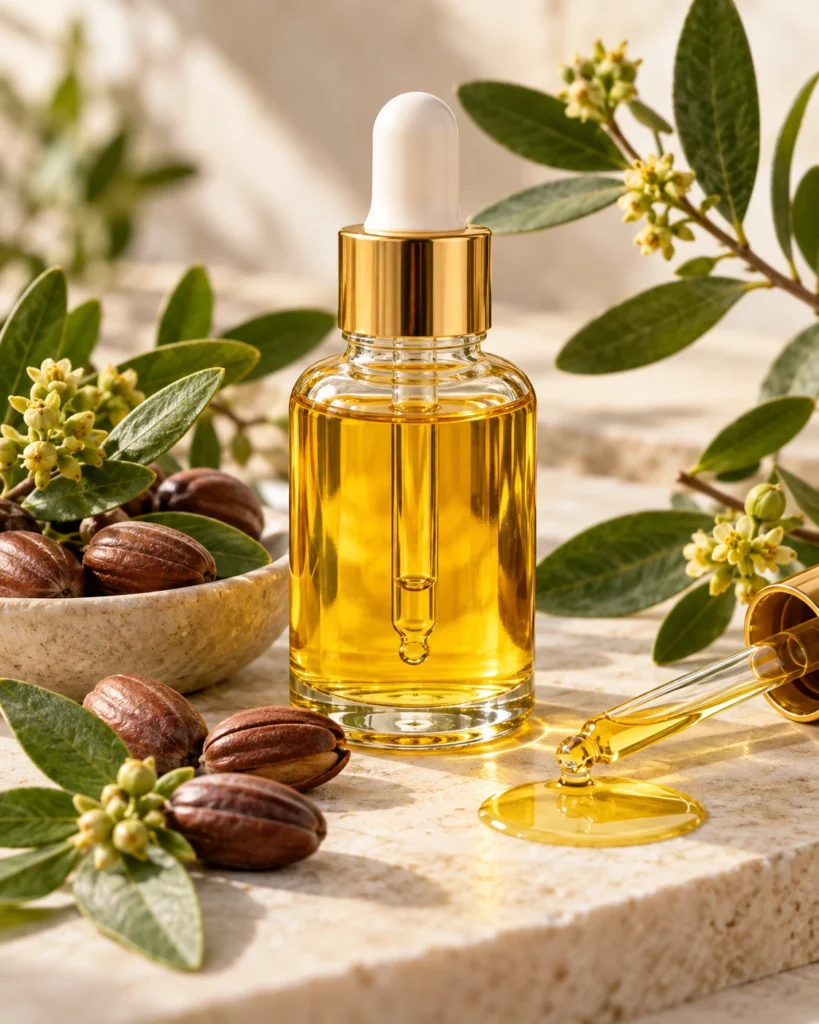
Oil 02 • Closest to your own scalp oil
Jojoba isn’t technically an oil at all. It’s a liquid wax, and its structure is close to the wax esters your scalp already produces, which is why hair accepts it so easily.
That similarity means it spreads thin and rinses out cleanly, which makes jojoba one of the friendliest lightweight oils for fine hair to learn on. It’s the most forgiving choice if you tend to use slightly too much.
Best for: Fine hair that gets greasy fast
Texture and weight: Light liquid wax, non-sticky
How to use on fine hair: One to two drops on damp mid-lengths and ends
3. Rosehip Seed Oil
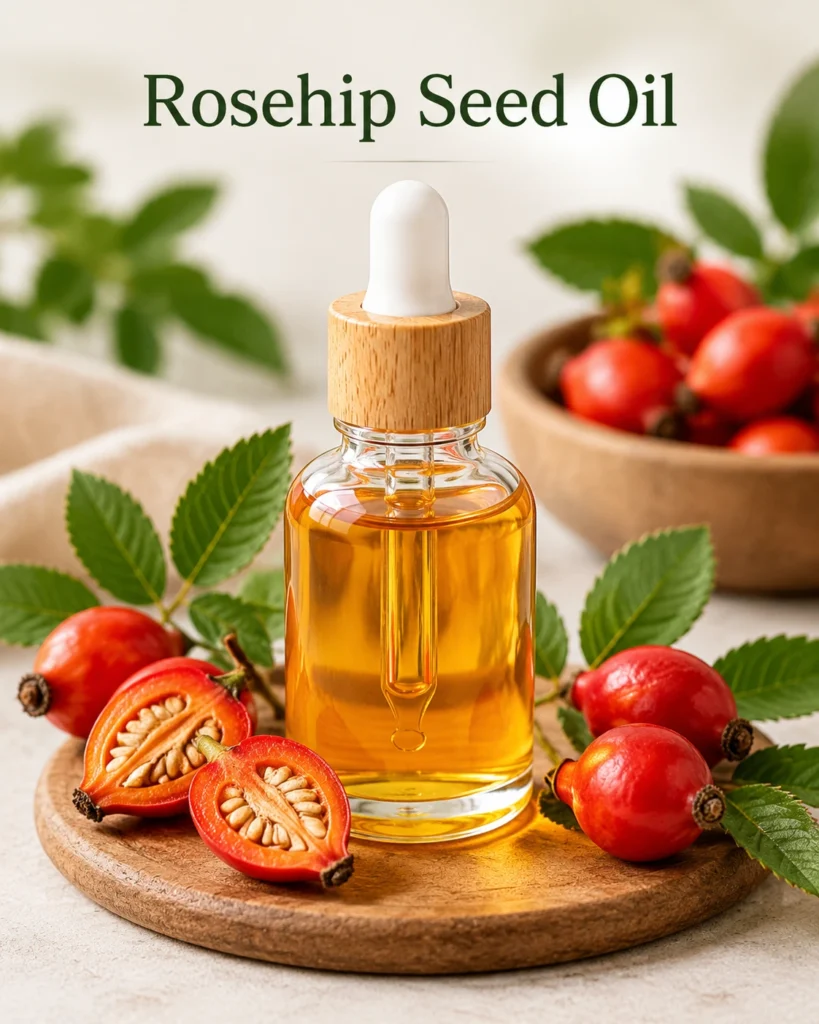
Oil 03 • Fast-absorbing dry oil
Rosehip earns its place among the lightweight oils for fine hair because it’s high in linoleic acid, and that’s what makes it a true dry oil. It sinks in within a minute or two instead of sitting on the surface.
One honest warning: it oxidizes faster than most oils. Buy a small bottle, keep it somewhere cool and dark, and replace it every few months.
Best for: Dry ends on fine hair and color-treated strands
Texture and weight: Light, high in linoleic acid
How to use on fine hair: Two drops on damp ends, after washing
4. Pure Argan Oil
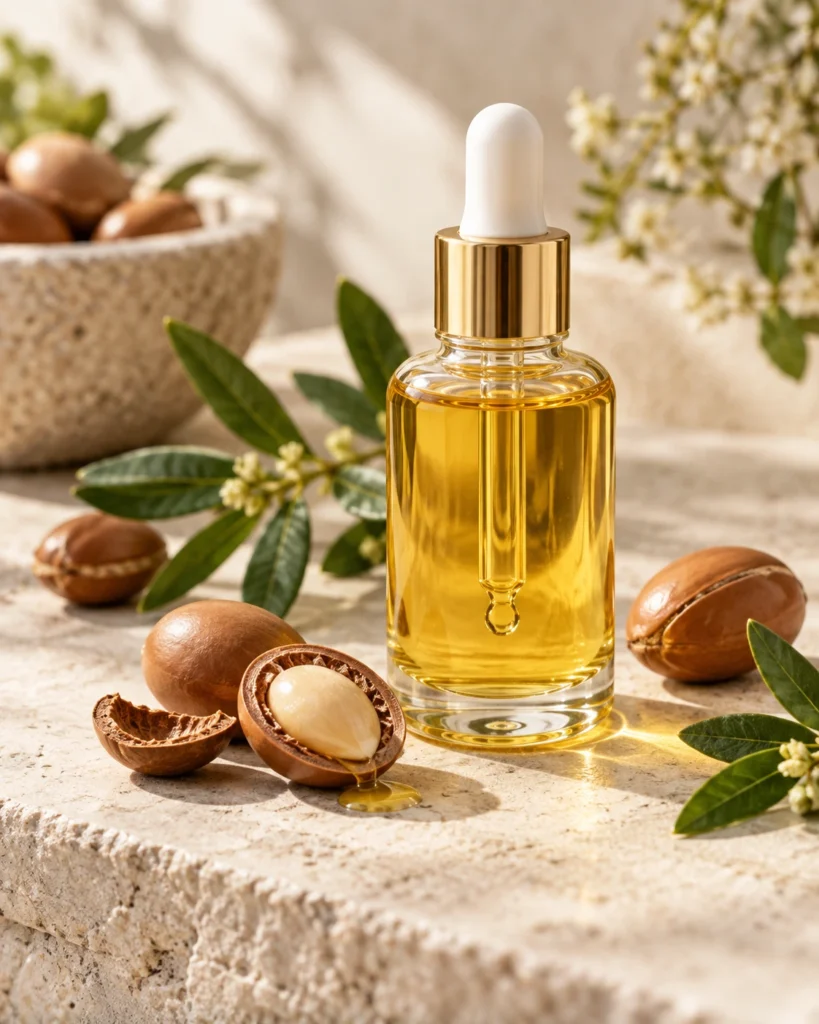
Oil 04 • Shine in micro-doses
Argan is a medium-weight oil, which puts it right on the edge for fine hair. Used properly, meaning one drop, it gives shine and a little softness before heat styling.
Used generously it turns fine hair stringy in an afternoon. If you have argan already, don’t throw it out. Just halve whatever amount you think you need, then halve it again.
Best for: Occasional shine and pre-styling smoothing
Texture and weight: Medium weight, needs a careful hand
How to use on fine hair: One drop only, on the very ends
None of these lightweight oils for fine hair will rescue a cut that’s been thinned out at the ends. If your ends look see-through however you treat them, the scissors are the problem, and our haircuts for fine hair guides explain what to ask for instead.
5. Camellia Seed Oil
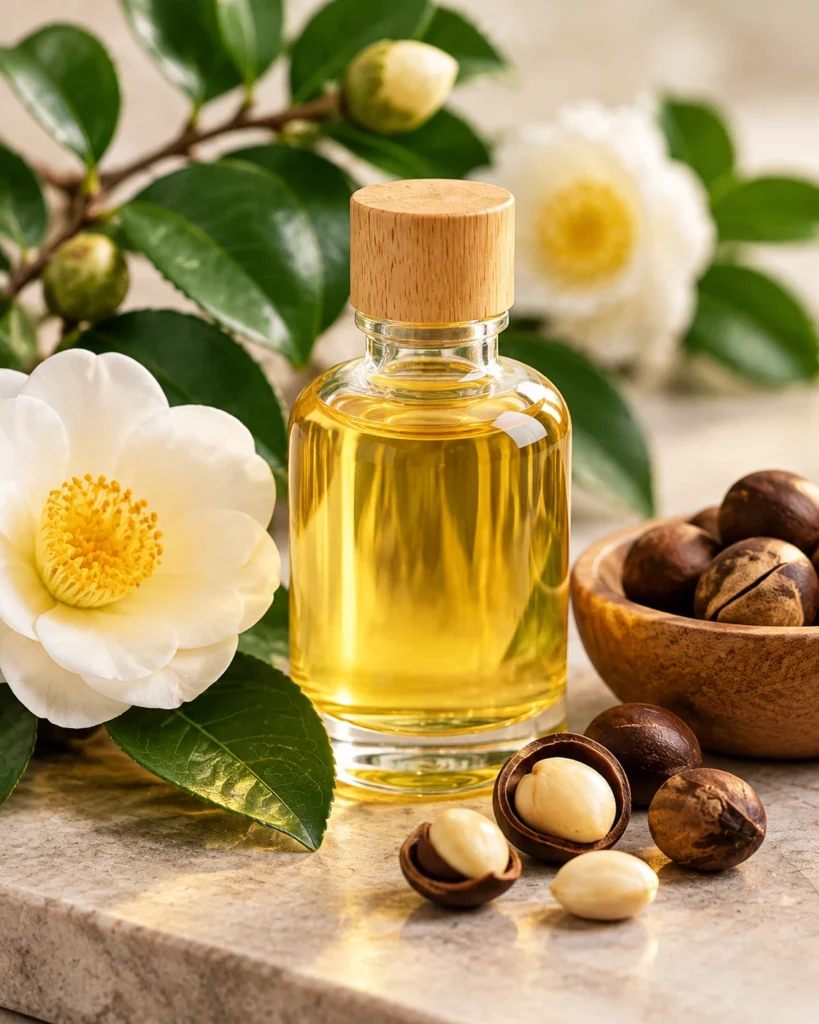
Oil 05 • The Japanese featherweight
Camellia has been used on hair in Japan for centuries, and for good reason. It’s silky, light, and absorbs quickly without the heavy film thicker oils leave behind.
As lightweight oils for fine hair go, it sits beautifully on hair that’s a little coarse at the ends, which is common once silver strands come through.
Best for: Fine hair with dry or wiry ends
Texture and weight: Silky and light, absorbs fast
How to use on fine hair: One to two drops, smoothed through dry ends
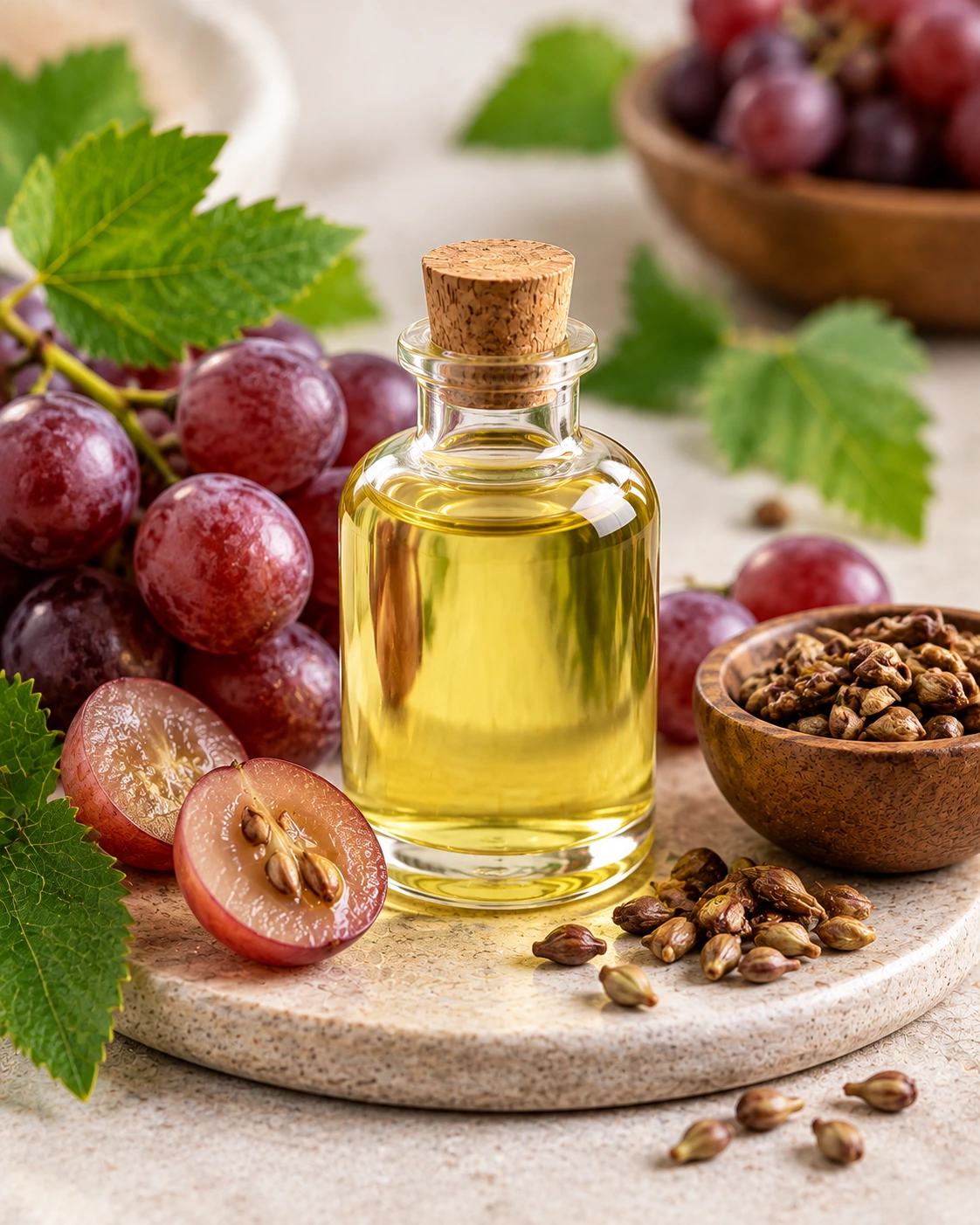
6. Grapeseed Oil
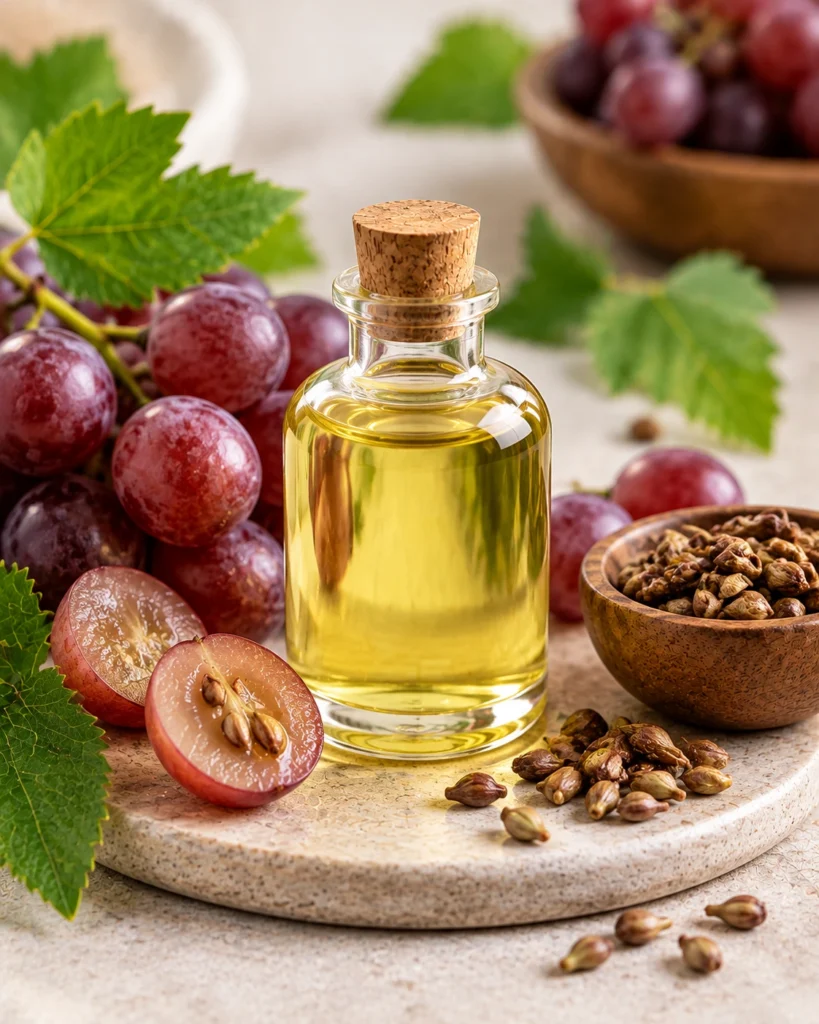
Oil 06 • High slip, zero residue
Grapeseed is light, cheap, and slippery, which makes it useful for detangling fine hair without gumming it up. It’s also one of the least greasy oils on this list.
It’s often sold as a heat protectant, and that’s overstated. It helps a little, but use a proper heat protectant if you’re using hot tools regularly.
Best for: Detangling and everyday softness
Texture and weight: Very light with high slip
How to use on fine hair: Two drops on damp lengths before combing
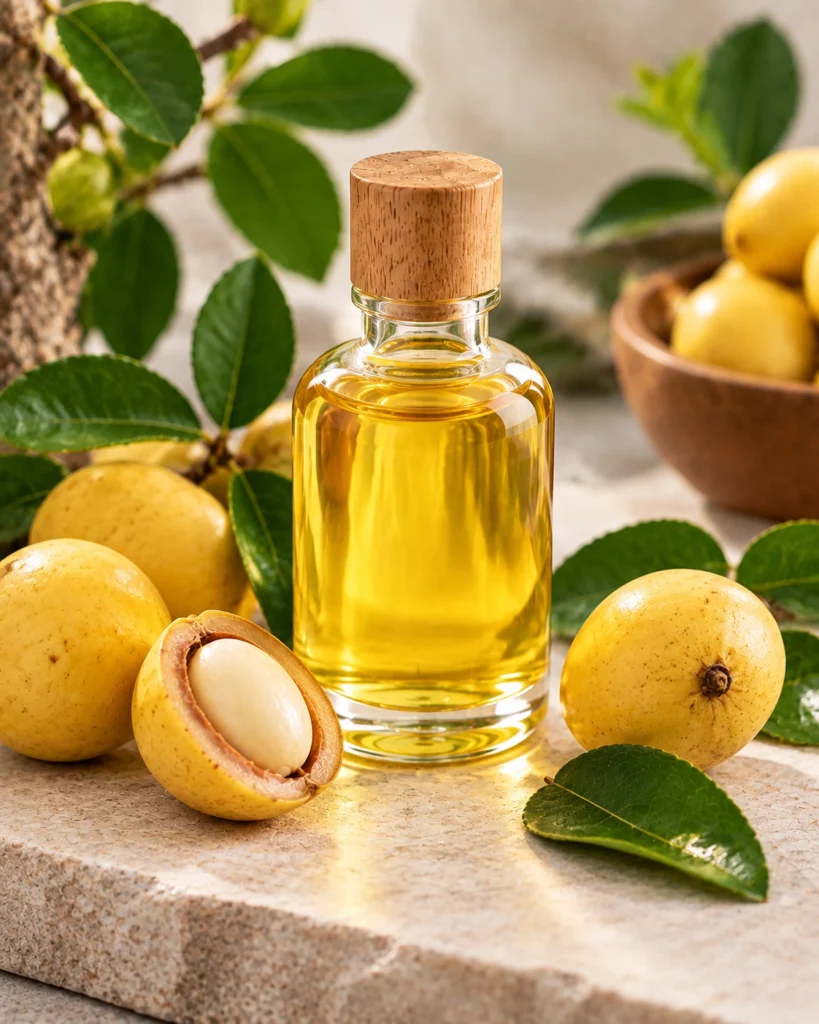
7. Marula Oil
Oil 07 • For dry silver ends
Marula absorbs faster than its richness suggests, which is why it works on fine hair that’s genuinely dry at the ends. It softens without that coated feeling.
Of all the lightweight oils for fine hair here, it’s the one I reach for most with gray and silver hair, where the ends often feel wiry while the roots are still slick.
Best for: Silver and gray hair with brittle ends
Texture and weight: Light to medium, fast penetrating
How to use on fine hair: One drop, pressed into the ends at night
Three Oils to Keep Away From Fine Hair
These three get recommended constantly, and none of them belong anywhere near the lightweight oils for fine hair above.
Coconut oil. It genuinely penetrates the hair shaft, and a well-known 2003 study in the Journal of Cosmetic Science found it reduced protein loss where mineral and sunflower oils did not. The problem on fine hair is everything else about it. It’s solid at room temperature, heavy to spread, and many people find it leaves fine strands stiff and straw-like once it builds up.
Castor oil. Thick, sticky, and slow to rinse. On fine hair it glues strands into clumps, which makes hair look thinner rather than fuller. If you want it for your scalp, dilute it heavily in one of the lighter oils above.
Mineral oil. It sits on the surface of the hair rather than absorbing, so it coats fine strands and drags them down. Dermatology reviews of hair cosmetics and how they work describe this surface-film behavior clearly, and it is the opposite of what fine hair needs.
How to Use Lightweight Oils for Fine Hair Without Losing Volume
Application matters more than the bottle you buy. Tip your head forward, apply to the ends only, and never comb the oil upward toward your roots afterward.
On wash days, use the oil on damp hair before drying. On day two or three, use it on dry ends only, and follow with a dry texture spray at the roots to keep your lift. Our volume and thickness guides cover that root routine in detail.
Frequently Asked Questions
Can hair oil make fine hair look thinner?
Yes, easily. Too much oil, or an oil that’s too heavy, sticks strands together into clumps, and clumped hair shows more scalp between the sections. Stick to one or two drops of the lightweight oils for fine hair listed above and keep them well away from your roots.
Is rosemary oil safe on a fine-haired scalp?
Rosemary essential oil is a scalp treatment rather than a leave-in, and it must be diluted before it touches skin. Mix three to five drops into 10 ml of jojoba or another light carrier, massage it in, leave it 30 minutes, then wash it out. Leaving it in overnight is what flattens fine hair.
Should I apply oil to wet or dry fine hair?
Both work with lightweight oils for fine hair, for different reasons. On damp hair the oil helps hold moisture in as the hair dries, which is better for brittle ends. On dry hair it smooths static and flyaways. Use less on dry hair, because there’s no water to help it spread.
How do I wash out an oil if I used too much?
Put shampoo on your dry, oily hair before you add any water. Oil lifts oil, and this first pass does most of the work. Rinse well, then do a second gentle lather at the scalp, and keep conditioner from the ears down.
Final Thoughts
Fine hair doesn’t have to skip oil. The lightweight oils for fine hair above give you the right weight, in the right amount, in the right place.
Start with squalane or jojoba, use a single drop on your ends, and give it a week before you decide. Once you find your match among the lightweight oils for fine hair, you get the shine and the split-end protection without paying for it in volume.