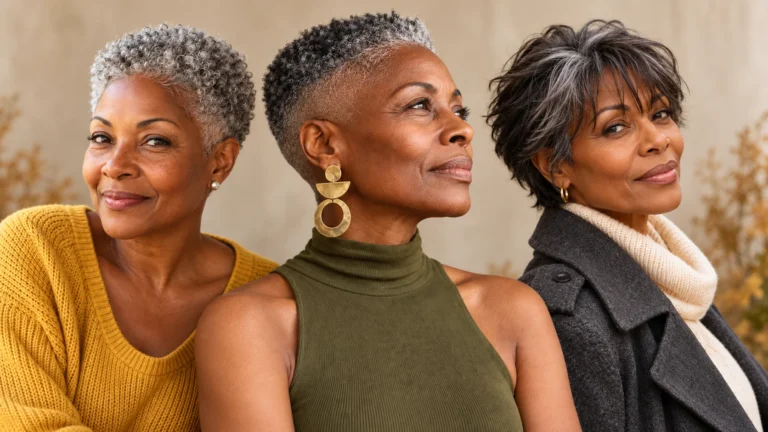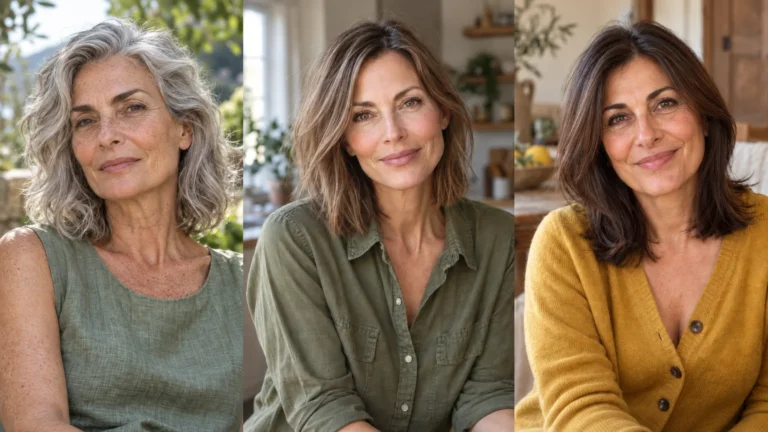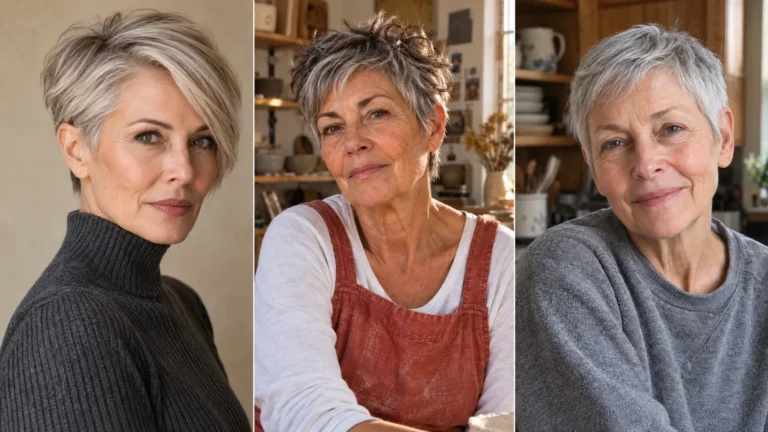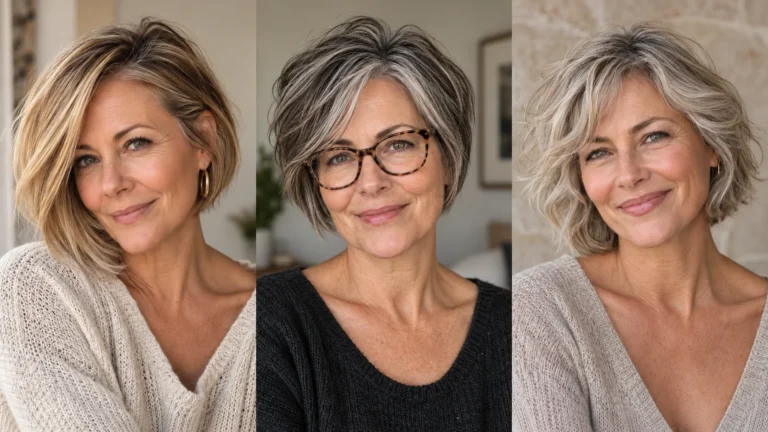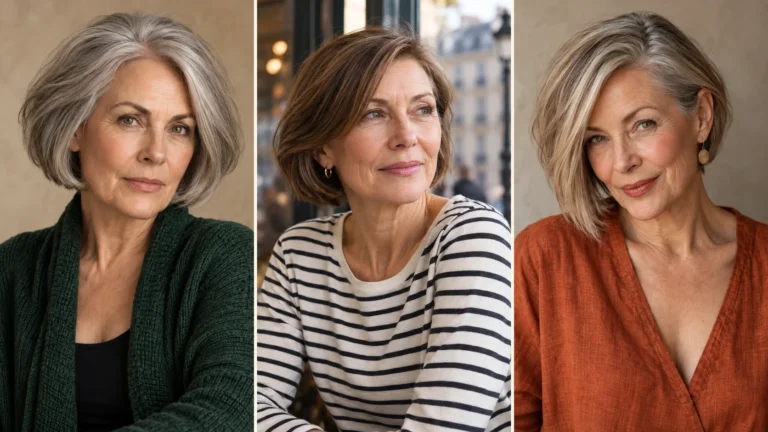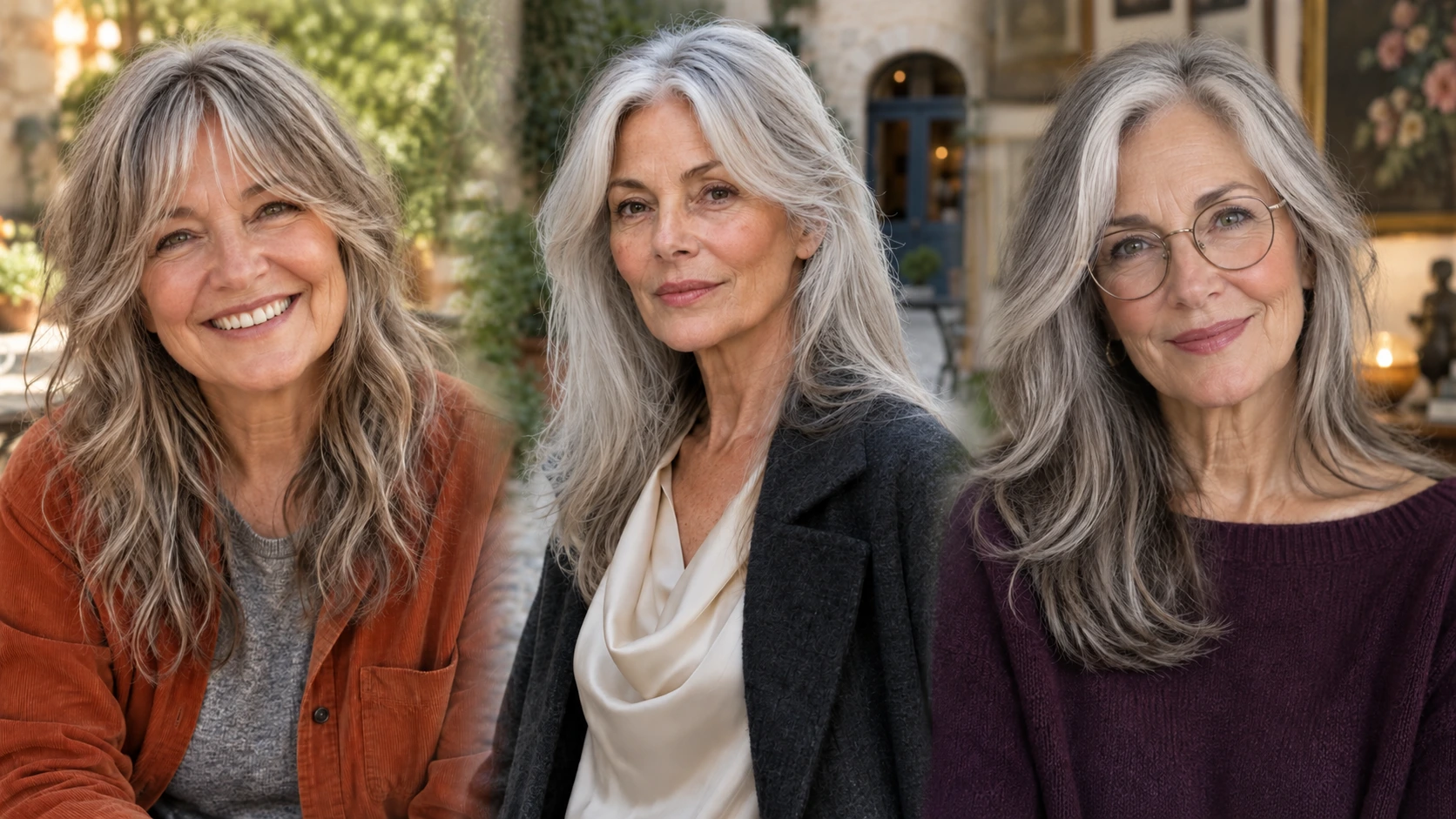
12 Long Hairstyles for Women Over 60 That Prove You Don’t Have to Go Short
At some point, someone will tell you it’s time to cut it all off. A friend, a stylist, sometimes just the look you get at the salon desk. As if there’s a birthday where long hair stops being allowed.
There isn’t. What changes is how long hair behaves. Cut in one heavy sheet, it hangs straight down either side of the face, and those two long vertical lines pull the cheekbones and jaw down with them. On fine hair, the ends thin out until you can see through them.
The fix is placement, not scissors everywhere. Keep real weight at the bottom so the ends stay solid, then add soft layers starting around the cheekbones. That combination lifts the face instead of dragging it, and it keeps every inch you’ve worked to grow.
The 60+ Long Hair Density Rules
- The collarbone is the sweet spot. It reads as long, holds density at the ends, and still lets you tie it back. Past the shoulder blades, fine hair usually starts to thin out.
- Start layers at the cheekbone, not higher. Face framers that begin at the temples take hair from where it’s already thinnest.
- Dust every eight weeks. A micro-dusting trim takes off only the split tips, so you keep your length and lose the frayed, see-through ends.
- Keep moisture weightless. A drop or two of light oil on the ends only. Anything heavier flattens the roots by lunchtime.
12 Long Hairstyles for Women Over 60
Each look lists where the length should land and how long it takes in the morning. The right starting point for your face-framing layers depends on your bone structure, and our face shape haircut finder will show you where yours should begin.
1. The Collarbone Lob with Cascading Face-Framers
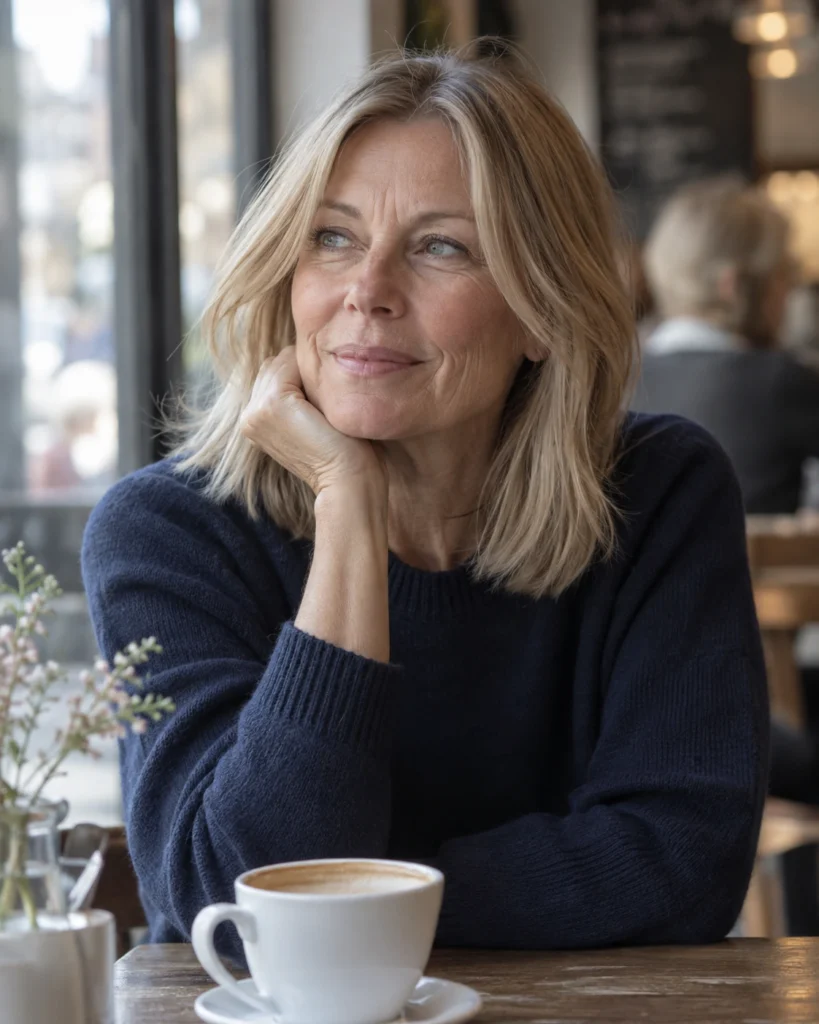
Look 01 • Keeps length, lifts the face
A lob that finishes right at the collarbone, with face-framing pieces stepping down gradually from the cheekbone.
The cascade breaks up the two long vertical lines that make long hair drag. Instead, the eye travels across the cheekbones, and the solid length underneath keeps the ends dense.
Best for: Anyone moving from very long hair toward something lighter
Length point: Right at the collarbone
Morning styling: Five minutes, bending the front pieces away from the face
2. Long Silver Layers with Feathered Curtain Bangs

Look 02 • Silver and soft
Long, soft layers through silver hair with a curtain fringe that parts in the middle and feathers out to the cheekbones.
Silver catches more light than darker hair, and the layers turn that into movement rather than a flat sheet. The fringe draws attention up to your eyes.
Best for: Natural silver and white hair
Length point: Just below the shoulders
Morning styling: Five minutes, drying the fringe back and away first
3. The Blunt U-Shape Cut
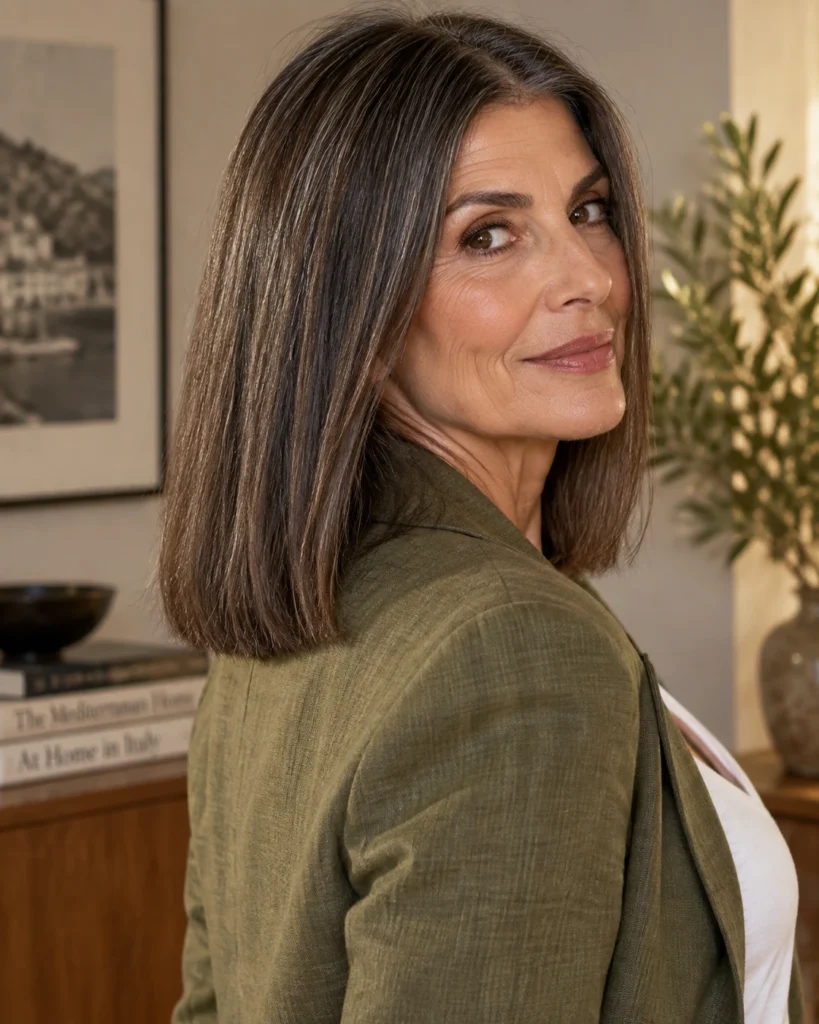
Look 03 • Maximum density
The back is cut into a gentle U with no internal layers at all, so every strand reaches the bottom line.
This is the most density-safe long cut there is. Nothing is thinned or removed, and the soft curve keeps it from looking severe the way a dead-straight line can.
Best for: Fine hair that’s thin at the ends
Length point: Collarbone at the front, slightly longer at the back
Morning styling: Three minutes with a paddle brush
That solid bottom line is the whole secret to long fine hair. Our haircuts for fine hair guides go deeper into keeping a blunt perimeter while still getting movement up top.
4. Long Shag with Wispy Bottleneck Fringe
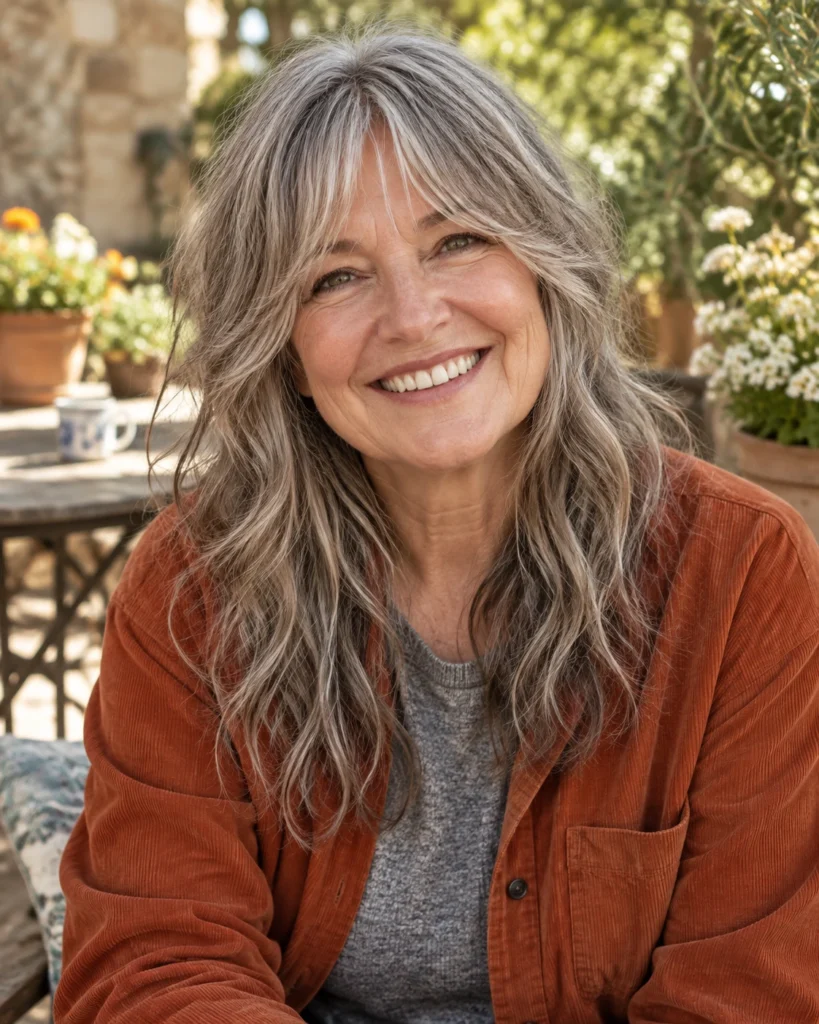
Look 04 • Undone and easy
Shag layers kept around the crown and face, with a bottleneck fringe that’s narrow in the middle and flares toward the cheekbones.
The layers give natural texture somewhere to go, and the fringe shape costs very little hair. Keeping the shag layers up top protects the density at the ends.
Best for: Natural waves and relaxed styling
Length point: Just past the shoulders
Morning styling: Scrunch in mousse and air-dry
5. Soft Waves with a Deep Side Part
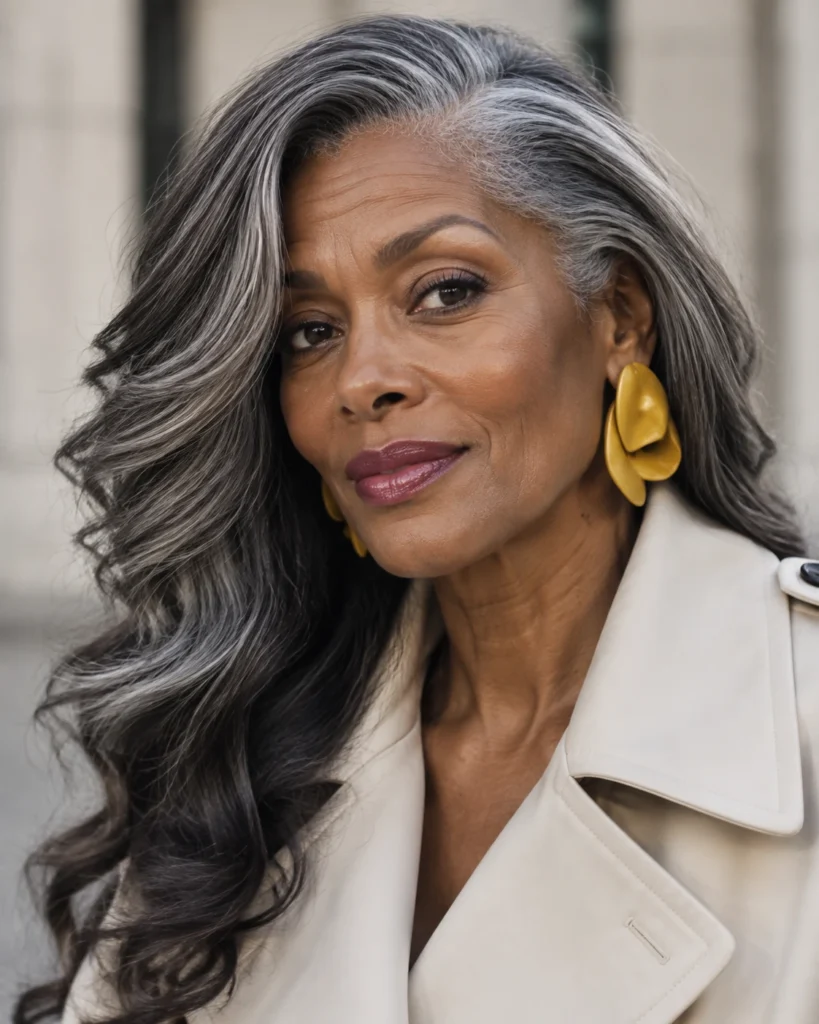
Look 05 • Soft movement
Loose, soft waves worn with a part set well over to one side.
The deep part lifts the roots at the crown, because the hair has to stand up to sweep across. Set the waves while the hair is warm and let them cool before touching, since that cooling is what locks the shape in.
Best for: Flat crowns and thinning part lines
Length point: Collarbone to shoulder
Morning styling: Ten minutes with a large-barrel iron, then cool
6. Long Salt-and-Pepper Layers with Dimensional Lowlights
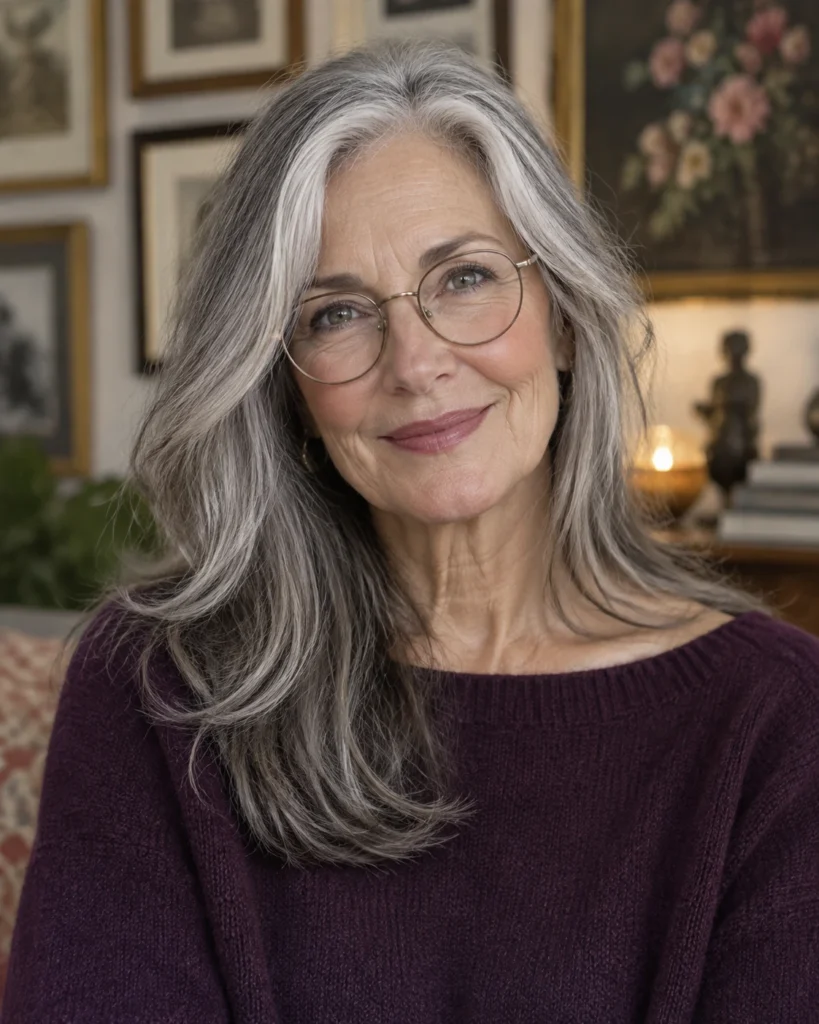
Look 06 • Built-in depth
Long layers through naturally mixed gray and darker hair, with a few soft lowlights woven in.
The contrast between tones creates shadow between strands, and the eye reads shadow as fullness. Long hair with one flat color looks thinner than the same hair with dimension.
Best for: Gray transitions and fine density
Length point: Just below the shoulders
Morning styling: Four minutes with a light shine mist
7. The Half-Up Bouffant with French Pin
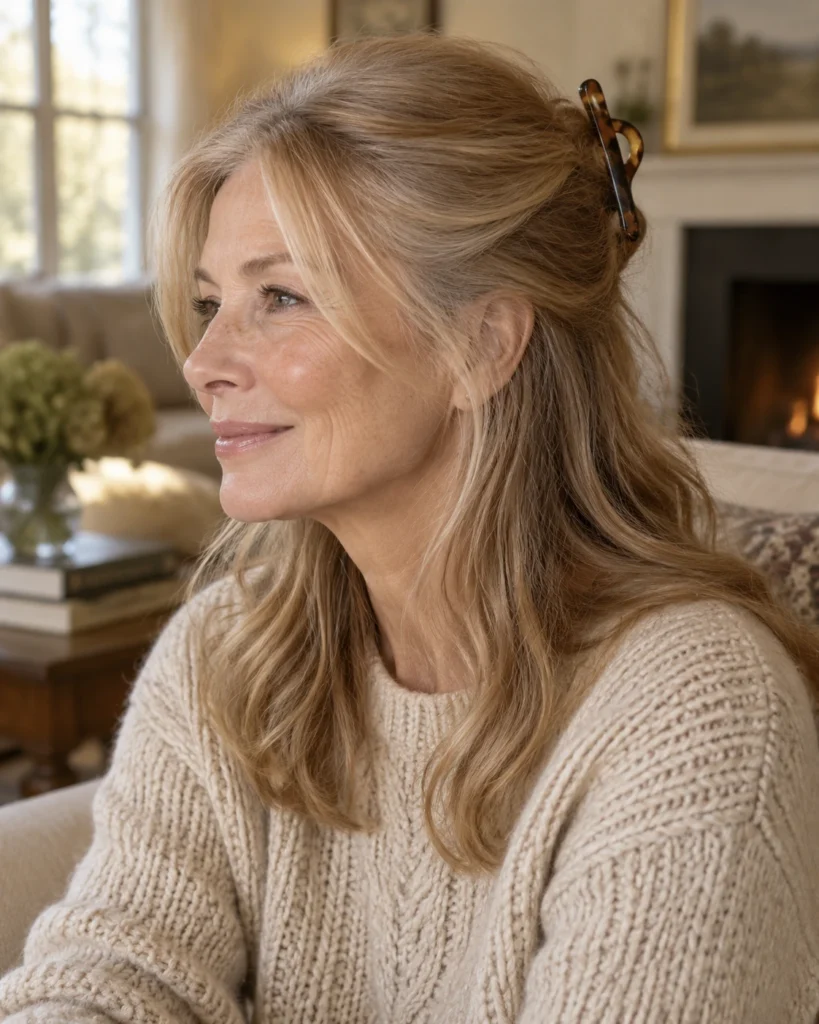
Look 07 • Polished in minutes
Lift the crown section with a little gentle backcombing at the roots, twist it back, and hold it with a single French pin.
The height at the crown gives the face a vertical lift, while the length below stays loose. It’s the quickest way to look styled on a day your roots are flat.
Best for: Second-day hair and special occasions
Length point: Any length past the collarbone
Morning styling: Five minutes
8. Shoulder-to-Collarbone Textured Cut with Flicked Ends
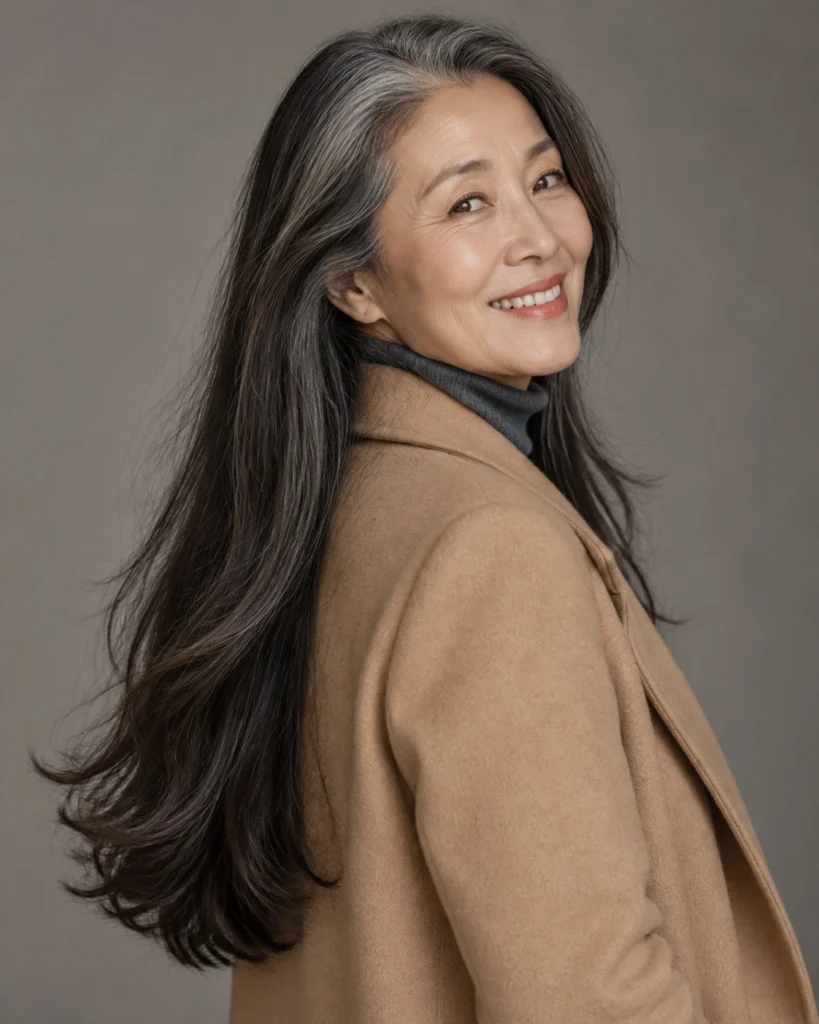
Look 08 • Fresh and bouncy
A textured cut sitting between the shoulder and collarbone, with the ends flicked slightly outward.
The flick stops the ends lying flat on your shoulders and gives the whole shape a lift at the bottom. It’s the least effort way to make long hair look deliberate rather than grown out.
Best for: Straight or slightly wavy fine hair
Length point: Between shoulder and collarbone
Morning styling: Four minutes with a round brush on the ends
9. The Low Twisted Chignon with Soft Tendrils
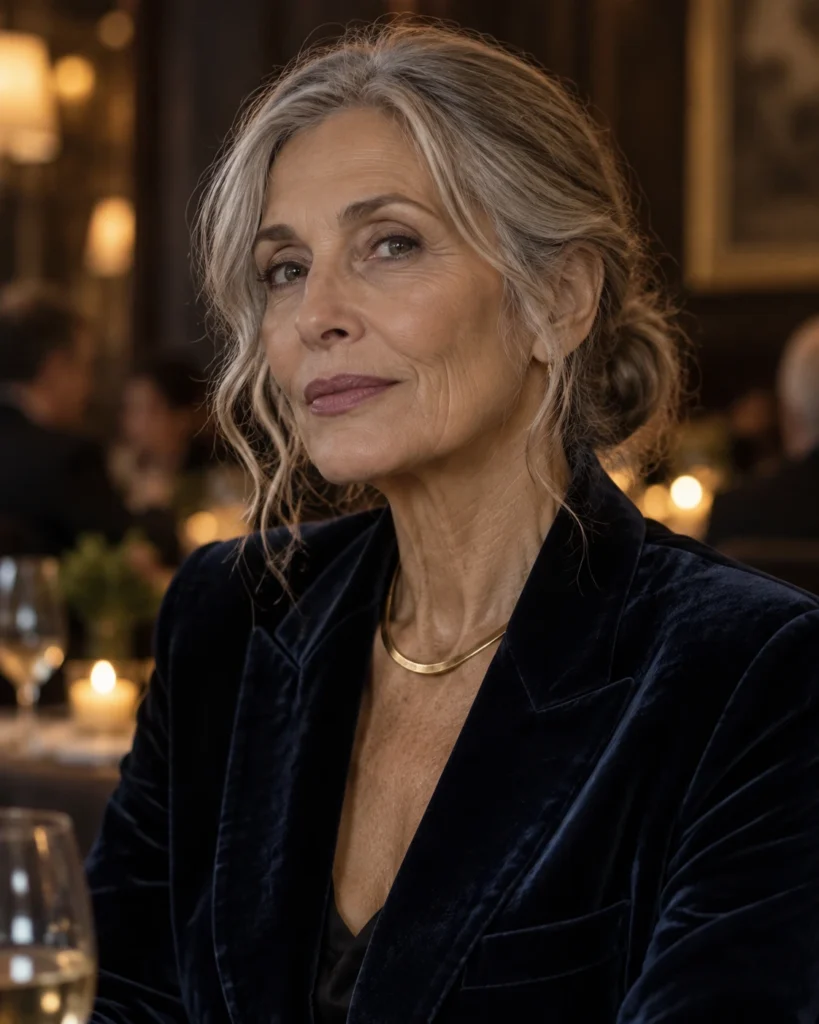
Look 09 • Elegant updo
Twist the hair at the nape into a low chignon, pin it, and pull a few soft pieces loose around the face.
Pulling everything off the face shows your cheekbones and neck, and the tendrils stop it looking scraped back. A low chignon sits comfortably under a coat collar too.
Best for: Events, dinners, and hot days
Length point: Shoulder length or longer
Morning styling: Eight minutes of pinning
10. Long Natural Curls with Shaped Crown Layers
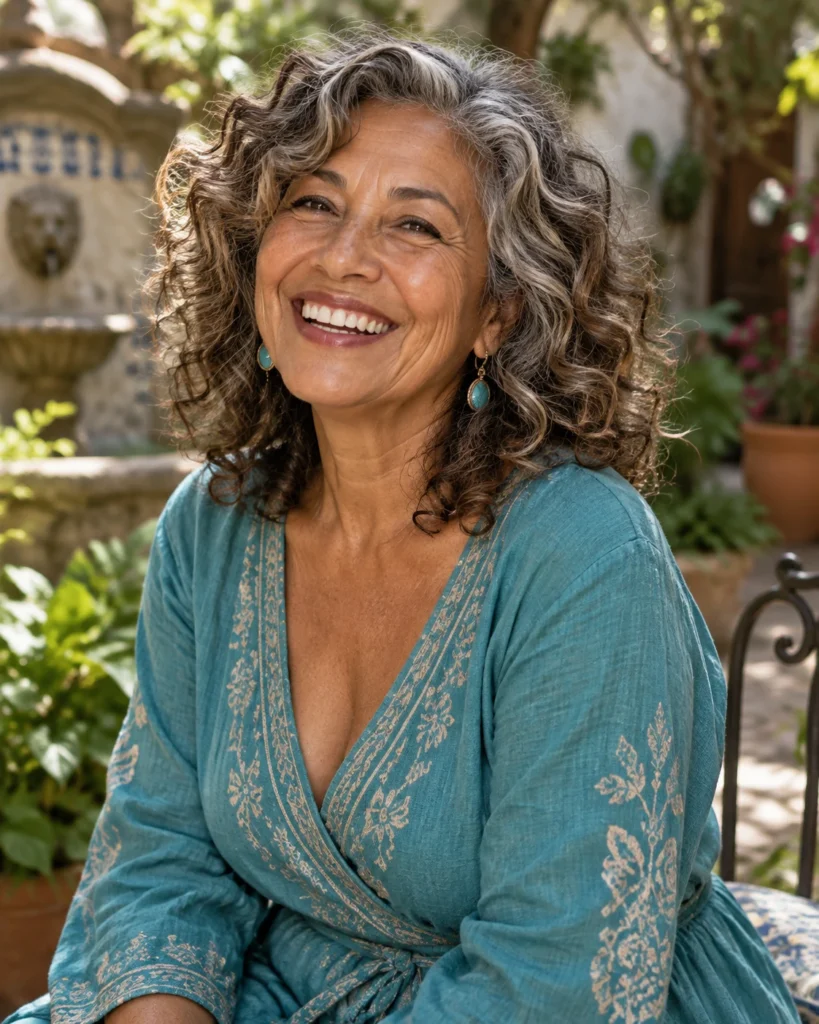
Look 10 • For natural curls
Long curls with layers cut into the crown so the volume sits higher on the head.
Uncut, long curls flatten at the top and spread wide at the bottom into a triangle. Shaping the crown moves the fullness up and keeps the length balanced.
Best for: Natural curls and coils
Length point: Shoulder length or longer
Morning styling: Define on damp hair and diffuse on low
11. The Polished Straight Cut with Blunt Perimeter
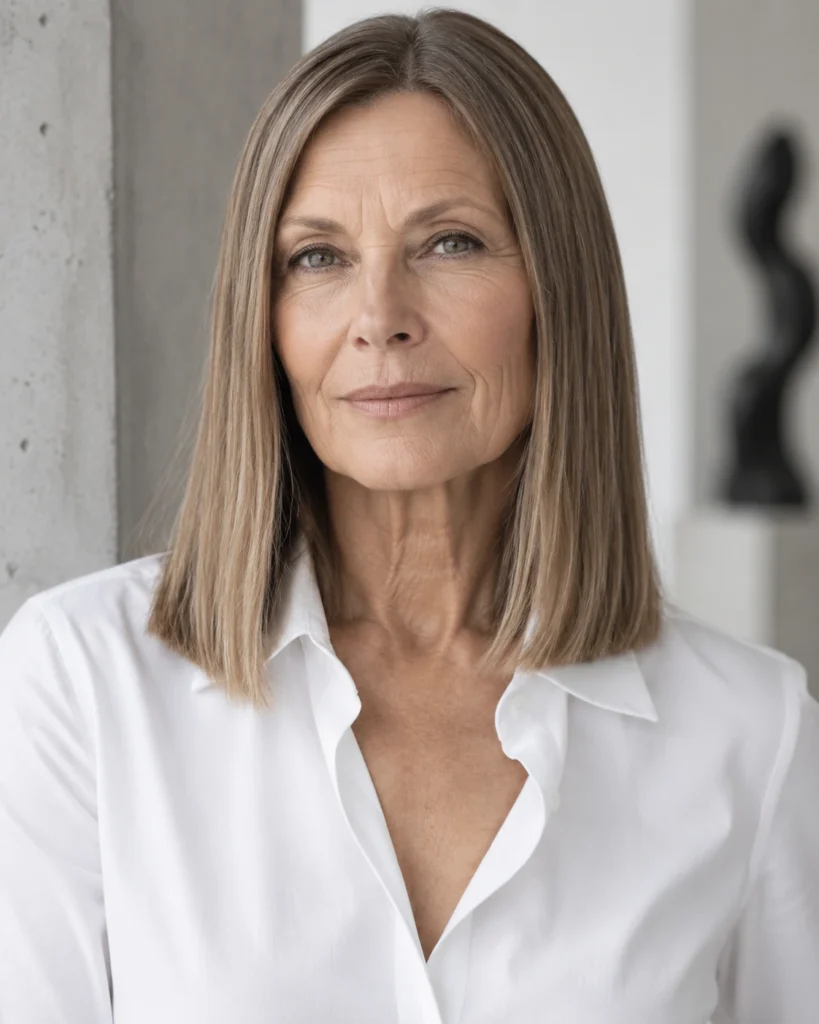
Look 11 • Sleek and strong
Long, straight hair finished with a clean blunt edge and a smooth, glossy surface.
A blunt perimeter keeps fine long hair from tapering into wisps, and a smooth finish reflects light, which reads as health and thickness. Keep the length at or just below the collarbone for fine hair.
Best for: Fine straight hair and polished dressers
Length point: At or just below the collarbone
Morning styling: Ten minutes with a paddle brush and cool air
12. Loose Textured Braid with Pulled-Out Crown
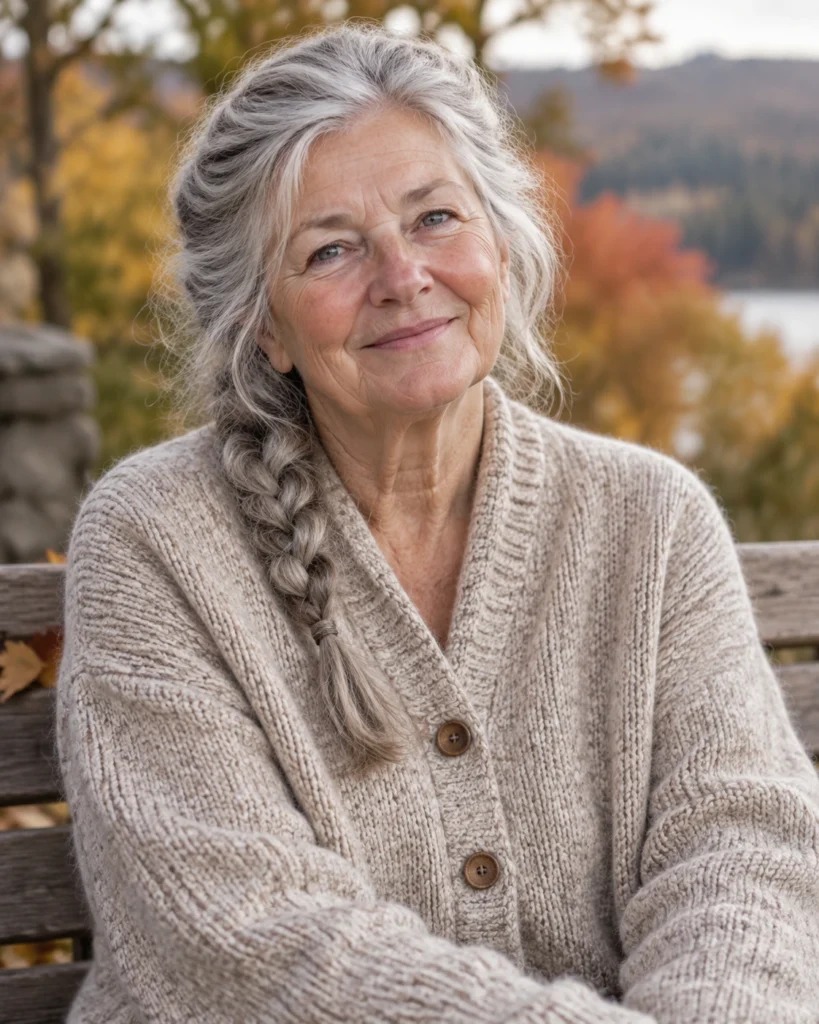
Look 12 • Relaxed weekends
A loose braid over one shoulder, with the crown and the braid gently pulled apart with your fingers.
Pulling the braid out makes it look twice as thick as a tight one, and loosening the crown adds height where long hair usually lies flat. It’s forgiving on days when your hair isn’t cooperating.
Best for: Second-day hair and active days
Length point: Past the shoulders
Morning styling: Five minutes
The 5-Minute Night Routine for Long Hair
Long hair takes the most damage while you sleep, rubbing against the pillow for eight hours. These three steps protect your ends and save you a morning of detangling.
Step 1: Loose pineapple bun
Gather your hair loosely at the top of your head with a silk scrunchie. It keeps the length off the pillow and away from your neck, and loose means no dents or tension at the hairline.
Step 2: Two drops on the ends
Warm two drops of jojoba or argan oil between your palms and press them into the last few inches only. Dry ends are where long silver hair frays first.
Step 3: Silk pillowcase
Sleep on silk or satin so your hair glides rather than catches. Cotton roughs up the cuticle, and on long hair that shows up as frizz and tangles by morning.
Frequently Asked Questions
Is long hair aging after 60?
Not in itself. What ages long hair is a heavy one-length shape, flat roots, and ends you can see through. Keep the perimeter solid, add cheekbone layers, and build a little lift at the crown, and long hair looks fresh at any age.
How long can fine hair go before it looks thin?
For most fine hair, just below the collarbone is the limit where the ends still look full. Past the shoulder blades, the weight pulls the roots flat and the ends start to taper. If you want to go longer, a blunt U-shape protects the most density.
How often should long hair be trimmed over 60?
A micro-dusting every eight weeks is enough for most women. It takes off only the split tips, so you keep your length while the ends stay solid. Leaving it longer usually means losing more length later to cut out the damage.
How do I keep long silver ends from looking dry?
Silver hair is often coarser and absorbs moisture differently from pigmented hair, so the ends dry out first. A light oil on the ends at night and a leave-in mist in the morning help. Check how your hair takes in product with our Hair Porosity Finder before you buy anything heavier.
Final Thoughts
You don’t have to give up your length at sixty or any other age. You just need a cut that keeps weight where it protects your ends and softness where it lifts your face.
Keep it around the collarbone, start your layers at the cheekbones, and book a dusting every eight weeks. Do those three things and long hair will look deliberate, not grown out.